
B2B Casino Solutions for Spain’s iGaming Market
Connection check ifwqbakn
Novembro 6, 2026Navigating the Malaysian Online Casino Market and B2B Solutions
Novembro 6, 2026Navigating the Spanish iGaming Market: Compliance and Opportunity
Entering Spain's online casino space is as much about legal paperwork as it is about games. I've seen operators get bogged down for months securing the Dirección General de Ordenación del Juego (DGOJ) license, which is why picking a pre-audited and fully compliant casino software is a critical first step. The market's potential is significant, but you need a provider whose software is pre-audited for local compliance, and for those exploring integrated casino systems, a detailed resource can be found at https://casinoplatform-es.com/. Monthly tax rates start at 20% of GGR, a non-negotiable cost that shapes your margins and makes operational efficiency paramount. Your choice of a B2B casino software partner will either unlock this opportunity or stall you in regulatory purgatory, so due diligence is absolutely essential.
What Operators Need from a B2B Casino Software Provider
A licensor's core needs haven't changed much in my ten years covering this space. After securing your Spanish gambling license, you need a platform that works reliably from day one. Here’s my practical checklist:
- Full DGOJ technical compliance and certification already in place.
- At least 2,000 slot games from recognized casino games providers.
- A platform uptime guarantee of 99.5% or higher in the SLA.
- Real-time reporting dashboards for player activity and financials.
- Integration support for at least three major payment gateways used in Spain.
- 24/7 technical support with a dedicated account manager.
I wouldn't sign a contract without seeing proof of point one. Everything else is negotiable, but certification is non-negotiable. The right B2B casino software can slash your technical time-to-market from 12 months down to 8 weeks. That's a huge financial advantage.
Seamless Integration: The Core of Modern Casino Platform Architecture
Your casino's backend should feel like a single machine, not a collection of poorly fitted parts. I've tested platforms where player data lagged behind financial data by ten minutes, which is a disaster. Modern integrated casino systems use robust APIs and microservices architecture.
| Brand | Key Specification | Price Range | My Verdict |
|---|---|---|---|
| Playtech IMS | Single API for 1000+ games | €15k-€25k/month | Reliable, but expensive for smaller operators. |
| EveryMatrix CasinoEngine | Pre-integrated 60+ providers | Revenue share (10-15%) | Excellent for quick, diverse game libraries. |
| White Label Solution X | All-in-one turnkey setup | €50k one-time + share | Fastest route, but you lose long-term flexibility. |
Key Features of High-Performance Casino Solutions and Software
Beyond basic functionality, your casino software needs features that keep players engaged and spending. I’ve seen platforms crash during peak weekend traffic because they couldn’t handle 5,000 concurrent users. Look for software with real-time player segmentation for targeted bonuses. Platforms with a built-in tournament engine see a 25% increase in average player session time. A robust risk and fraud management suite is non-negotiable, and mobile-first design isn't optional anymore. These aren't luxuries.
Leading B2B Casino Games and Content Providers: From Slots to Tournaments
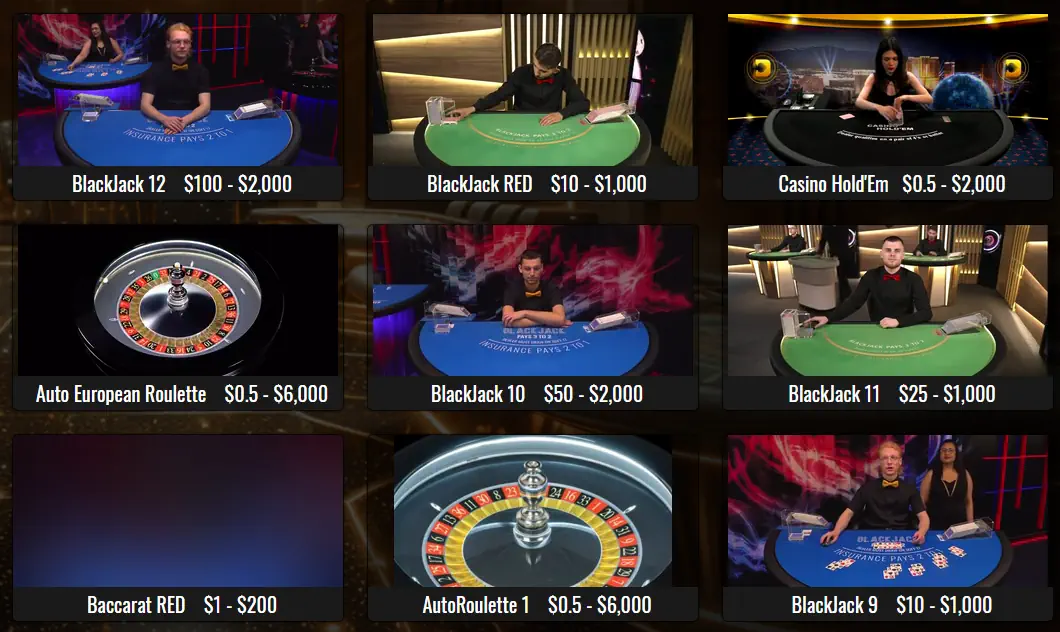
Your game library is your main sales floor. I’d never launch with fewer than six major content studios. NetEnt and Play’n GO are essentials for brand recognition, while Pragmatic Play delivers the volume. You need a mix of classic slots, modern Megaways, and live dealer tables.
The biggest mistake I see is operators loading up on 5,000 similar slots. 1,500 curated games from 15 elite providers will outperform a bloated, generic catalog every single time.
Betsoft's 3D slots, for example, command an average 12% higher bet per spin than the category baseline. Tournaments from providers like Relax Gaming create fantastic retention hooks, but they require specific platform support. Choose your casino games providers strategically.

A Comparative Look at Top Casino Platform Providers: Betsoft, Playtech, Microgaming, and More
Each major B2B casino software provider has a distinct personality. Your choice shapes your brand. Let's cut through the marketing:
- Playtech: Best for operators wanting a single-source, full ecosystem (casino, sportsbook, poker).
- Microgaming: The original aggregator; massive game network but can feel legacy.
- Betsoft: Unmatched 3D cinematic slots and table games. Niche but highly engaging.
- Pragmatic Play: The volume king. Fast content pipeline ideal for high-velocity casinos.
- Evolution: The undisputed leader in live dealer. You must have them, but it's a separate integration.
I’ve worked with all of them. Playtech is the easiest if you want everything in one contract. However, going à la carte with specialists like Evolution and Pragmatic can boost your content quality by 30%. It just adds integration complexity.
Understanding Gaming Contracts and Licensing for the EU Market
Your contract with a casino solutions provider locks you in for years. I read them so you don't have to miss critical details. Key terms like Minimum Monthly Guarantee (MMG) can sink a young operator if player uptake is slow.
| Contract Clause | Typical Range | My Red Flag Threshold |
|---|---|---|
| Revenue Share (%) | 15% – 45% of GGR | Anything above 35% for standard slots |
| Minimum Monthly Guarantee | €10k – €75k | Over €25k for a new brand |
| Contract Lock-in Period | 24 – 60 months | More than 36 months |
| Integration Fee (One-time) | €15k – €50k | Over €30k without clear deliverables |
Implementing a Fully Integrated and Compliant Casino Solution
Go-live is the moment of truth. From my own project management, I break the process into distinct, testable phases. First, you complete core backend and game integration. Then you run two weeks of simulated load testing with 10,000 virtual players. The final step is a formal DGOJ certification audit, which your provider should lead. Allocate a minimum of €30,000 for unexpected integration snags and last-minute compliance tweaks. A smooth launch is never cheap, but a failed one is catastrophic.
Future-Proofing Your Platform: Scalability and Innovation in iGaming
Your casino software choice today must handle tomorrow's 50,000 users and new regulations. I prioritize platforms built on cloud-native architecture, like those using AWS or Google Cloud. They let you scale server capacity up or down within hours based on traffic. Look for providers already experimenting with Web3 wallets or VR casino lounges, even if you don't use them now. The iGaming landscape shifts completely every 18-24 months; a rigid platform will be obsolete in three years. Your contract must allow for regular, modular updates without exorbitant fees.
FAQ
How crucial is DGOJ pre-certification for a provider?
It's non-negotiable. Without it, your launch is delayed by months for a full audit. Always verify their current certification status before signing any contract.
What's the biggest contract pitfall for new operators?
Unrealistic Minimum Monthly Guarantees (MMGs). I see new brands agree to €50k+ monthly guarantees that cripple cash flow if player uptake is slow.
Should I choose an all-in-one provider or mix specialists?
All-in-one (like Playtech) simplifies management. Mixing specialists (Evolution for live dealer, Pragmatic for slots) boosts content quality but adds integration complexity.
What's a realistic budget for platform integration snags?
Allocate at least €30,000 extra. From my experience, unforeseen API issues and last-minute compliance tweaks always eat into the initial budget.
Is a huge game library better than a curated one?
No. 1,500 curated games from top studios will outperform 5,000 generic slots. Player engagement depends on quality and variety, not sheer volume.
How do I future-proof my casino platform choice?
Choose cloud-native architecture (AWS, Google Cloud) for easy scaling. Ensure your contract allows for modular updates to add new features like VR or crypto wallets.
